
Staff of the ethnological departments of the Institute of History, Archaeology and Ethnology of the Peoples of the Far East, Russian Academy of Sciences, headed by Director Academician N.N. Kradin, took part in the EthnoForum held in Saint Petersburg on 20–22 June. The event was dedicated to the Year of Unity of the Peoples of Russia.
The organisers were the St. Petersburg Branch of the Russian Academy of Sciences and the Museum of Anthropology and Ethnography (Kunstkamera) of the Russian Academy of Sciences, with the support of the Association of Ethnologists and Anthropologists of Russia and the “History of the Fatherland” Foundation. Unlike traditional conferences, the Forum became an open discussion platform bringing together scientists, representatives of public organisations, government bodies, ethnic communities, cultural figures, business and the media. The main goal was a free exchange of views on current issues of ethnicity, identity and ethnopolitics in Russia.
Opening the Forum, Director of the Kunstkamera Academician A.V. Golovnev emphasized that ethnography is rightly considered “the most Russian of the sciences”: European evolutionary anthropology appeared a century later, only in the mid‑19th century. Ethnography was born within the Russian Academy as a necessity for the state’s self‑knowledge. Scientific Director of the N.N. Miklukho-Maklay Institute of Ethnology and Anthropology, Russian Academy of Sciences, Academician V.A. Tishkov noted the special public significance of the Forum held during the Year of Unity of the Peoples of Russia. According to him, the chosen format allowed scientists “to go beyond their offices” and, together with politicians and public figures, to develop common principles of ethnopolitics. Chair of the Council of the Assembly of Peoples of the World, member of the Presidential Council for Interethnic Relations S.K. Smirnova added that the Forum carries “a deep civilization meaning”: Russia’s experience of cooperation and co‑creation among peoples is particularly in demand in today’s environment of rivalry and hostility, and the domestic model of “conscious unity” serves as a guarantee of peace in the country.
Key reports of the plenary session
The plenary session was opened by Academician A.V. Golovnev with his report “‘Multi‑peopledness’ and ‘Indigenous People’: Projections of Meanings”. He traced the evolution of the concepts “people”, “nation”, “multi‑peopledness”, “multi‑ethnic people”, and “indigenous people”. The scholar recalled that the Great Northern Expedition (1733–1743) led by Gerhard Müller and Johann Gmelin started the “fashion for peoples”, giving impetus to the study of Russia’s population. The formula of a country “abundant in peoples” has been preserved and transformed throughout the imperial, Soviet and post‑Soviet periods, effectively claiming the role of Russia’s national idea. Regarding the term “indigenous people”, Golovnev proposed extending it to all peoples with ethnogenetic roots on the territory of Russia, including the state‑forming Russian people, while retaining the status of “indigenous small‑numbered peoples” for those who currently bear it – as a recognition of their achievements in preserving ethno‑cultural identity.
Academician V.A. Tishkov devoted his report to the renewed Strategy of the State National Policy of the Russian Federation. He stressed that the concept of “nation” as an ethno‑cultural community needs to be filled with civic and political meanings, and proposed discussing the currently popular concept of a “nation‑civilization”. In his view, Russia acts both as a greatest civilization (in terms of historical depth and contribution to world culture) and as the world’s largest nation (in the civil‑legal sense). At the same time, the national state in the form of sovereign co‑citizenship remains on the current agenda. According to the latest data from the regular monitoring conducted by the Institute of Ethnology and Anthropology, all‑Russian identity has confidently taken first place in the self‑awareness of citizens.
Director of the N.N. Miklukho-Maklay Institute of Ethnology and Anthropology, Professor of the Russian Academy of Sciences A.E. Zagrebin reflected on the limits of traditionalism. He noted that traditional culture forms and marks ethnic identification, but modernization processes do not cancel tradition if it possesses strength, functionality and adaptability.
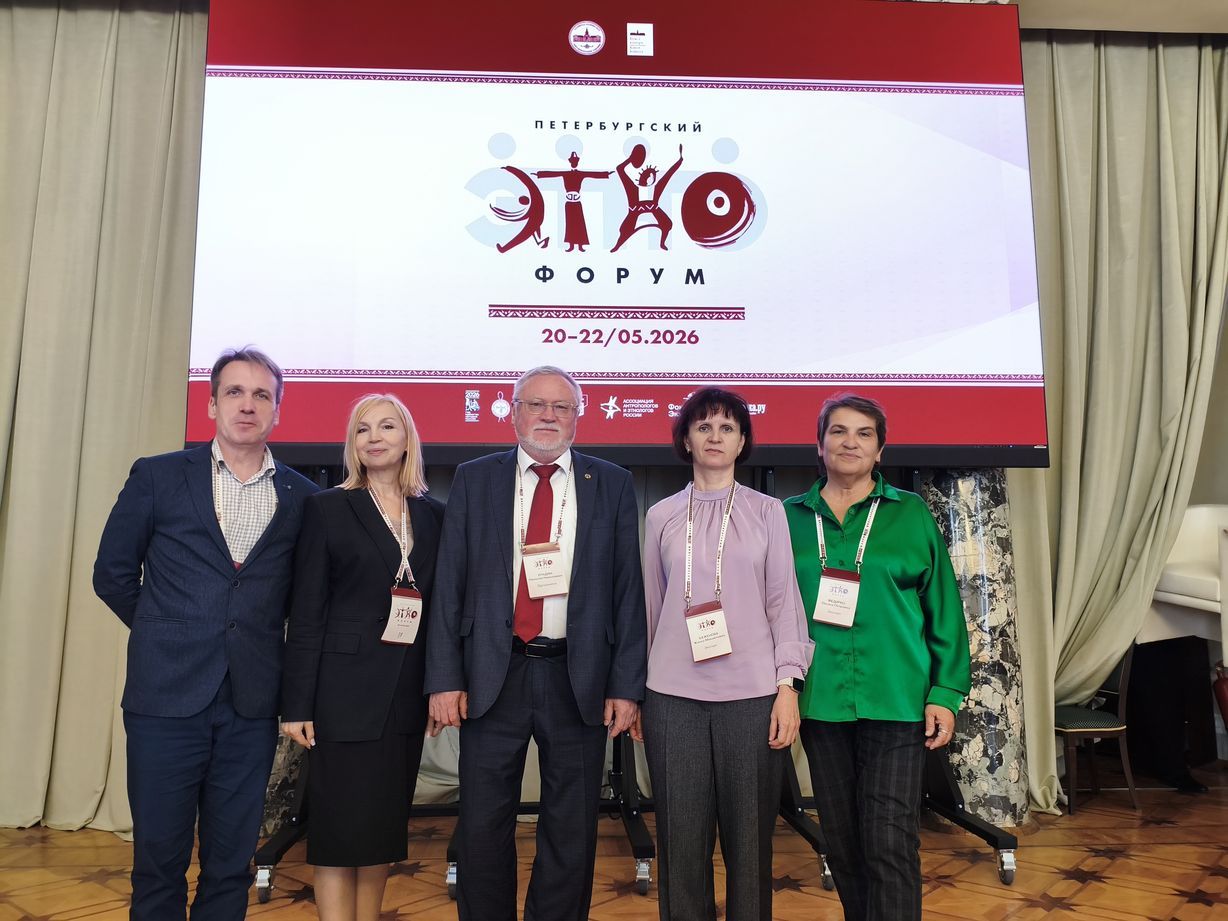
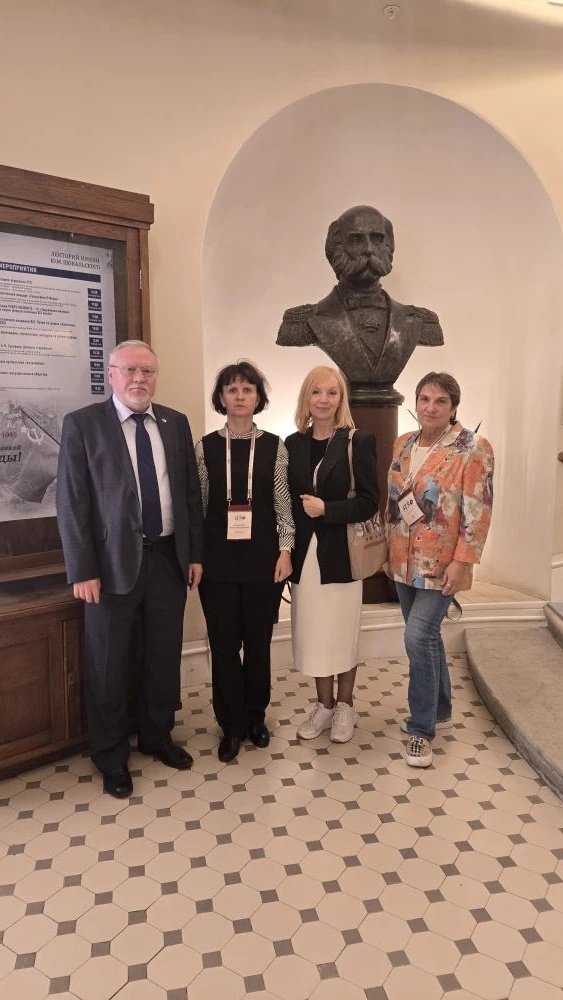
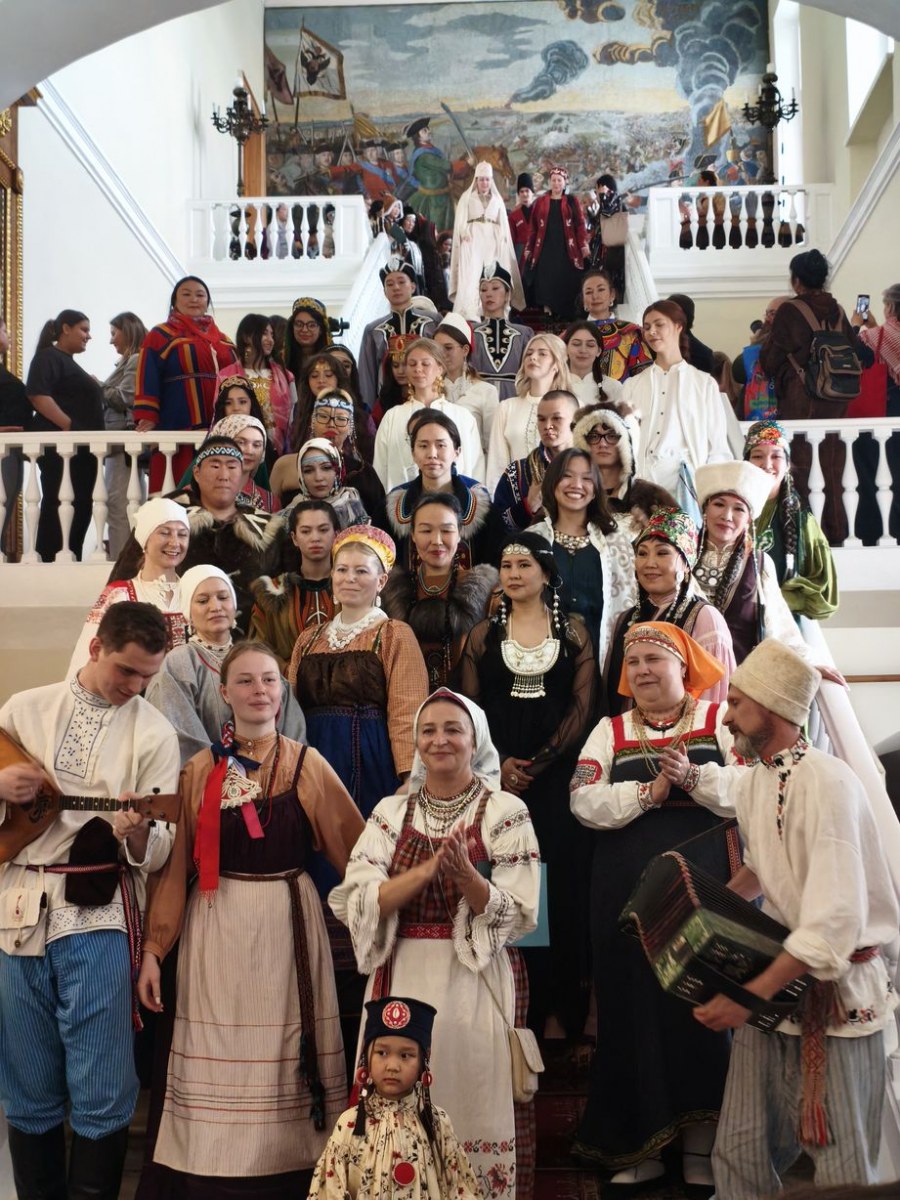
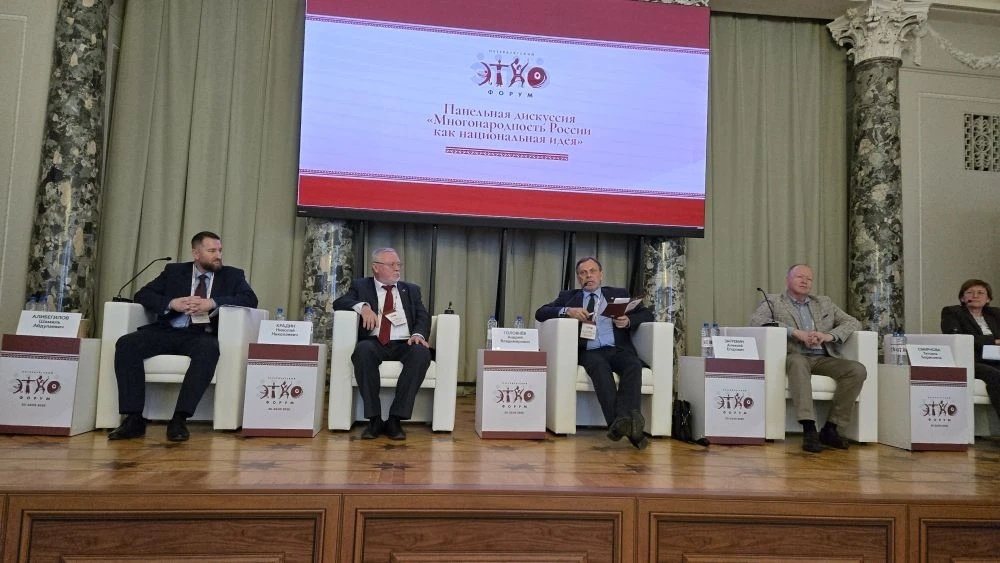
Deputy Chair of the Council of the Assembly of Peoples of Russia, President of the Guild of Interethnic Journalism M.A. Lyange put forward the thesis: “Strengthening the unity of the peoples of Russia is possible only on the foundation of distinctiveness.” She spoke about the multi‑format portal “National Accent”, which, in game and travel formats, introduces young people to the traditions and culture of the peoples of Russia.
Panel discussions and other events
The Forum’s work continued with four panel discussions.
- The session “Multi‑peopledness of Russia as a national idea” developed the thesis of Russia as a civilization of conscious diversity and unity – the foundation of stable development and prosperity.
- Participants of the discussion “Ethnoproject in science and practice” discussed specific projects for preserving and reviving traditional heritage: from ethno‑festivals and craft fairs to ethnoblogging.
- The session “The Russian people and their identity” presented data on the high significance of civic identity. Director of the IHAE FEB RAS Academician N.N. Kradin noted that significant shared events – the victory in the Great Patriotic War, achievements in space, sports, science and art – serve as mechanisms for forming all‑Russian identity.
- The session “Peoples, traditions, values” focused on the interconnection of traditions and innovations, the preservation of languages of the peoples of Russia, and the reflection of the role of peoples and their leaders in regional textbooks and commemorative practices. Head of the Laboratory of Anthropology of the Northern Pacific, Candidate of Historical Sciences Yu.V. Latushko spoke at this session. Representatives of indigenous small‑numbered peoples emphasized the importance of projects for studying and publishing folklore and mythology.
In addition, participants were invited to the Open Meeting of the Ethnographic Commission of the Russian Geographical Society “The Science of Peoples in the History of the Russian Geographical Society (to the Year of Unity of the Peoples of Russia)”, where they discussed the often underestimated contribution of RGS leaders to the study of the country’s peoples and presented the book “Cognition of Diversity. The Science of Peoples and the Russian Geographical Society”.
Throughout the Forum, a Fair of Ethnoprojects was held, featuring presentations, master classes, exhibitions, folklore performances, and ethno‑defile shows of traditional costumes of the peoples of Russia.
Outcomes
The organizers and participants unanimously acknowledged the high significance of the achieved results, the success of the chosen format, and the need to make the EthnoForum a regular event – at the venue of the Kunstkamera and the St. Petersburg Branch of the Russian Academy of Sciences.
The program, materials, collection of essays, video and photo archive are available on the official website: https://ethnoforumspb.ru/news